
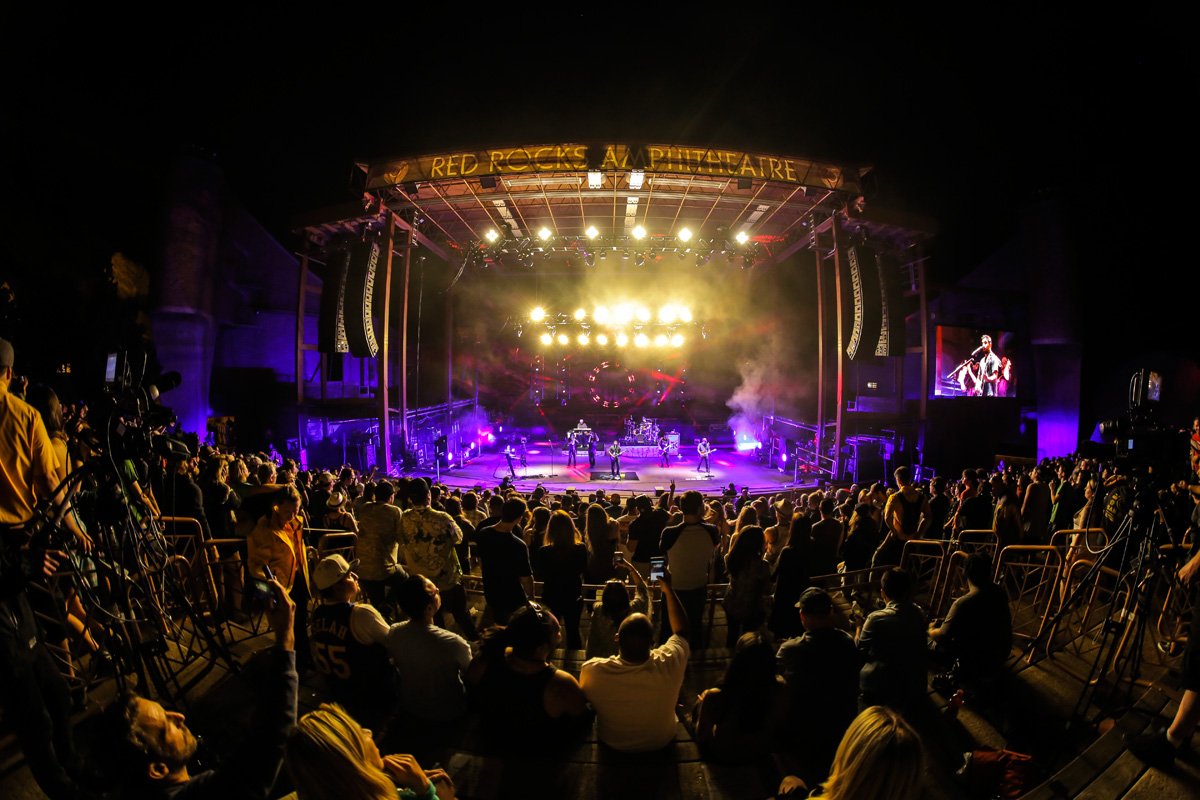
Rebelution
Scaling amphitheater tours with the flight architecture system
The complexity of national scale
When every market is different, how do you build a system that adapts?
National touring at amphitheater scale introduces complexity that smaller acts never encounter. Every market has different competitive dynamics—some sell organically while others need significant paid support. Some dates sell out in presale; others require aggressive closeout campaigns.
The challenge isn't just running ads—it's building a system that adapts to the lifecycle of each show while maintaining efficiency across a tour with dozens of dates, multiple promoters, and distinct market conditions.
The core tension: Scale demands standardization, but every market is unique. The solution is a repeatable framework that allows for market-level customization without losing operational efficiency.
The four-phase flight architecture
A repeatable system that adapts to the tour lifecycle.
The announce (data capture)
The announcement isn't just hype—it's a data harvesting event. RSVP campaigns and pre-save activations build high-intent retargeting pools before tickets even go on sale.
The on-sale (velocity)
Aggregated tour-wide campaigns maximize algorithmic learning while market-specific flights address local dynamics. Warm audiences and affinity targeting scale reach beyond the existing fanbase.
Maintenance (fatigue combat)
Campaigns lasting weeks require constant creative rotation. Press photos swap for live shots; static images give way to video. Lower-budget "always-on" campaigns maintain momentum without burning out audiences.
The closeout (urgency)
The final 10–14 days shift from brand awareness to hyper-local urgency. Market-specific messaging and geographic precision move remaining inventory in the final push.
Scalable campaign infrastructure
A decade of touring campaigns refined into repeatable systems.
Lifecycle-aware campaigns
Each phase targets different audience segments with appropriate messaging—presale urgency, general awareness, or final-push scarcity—based on where the tour cycle actually is.
Cross-channel coordination
Social, programmatic, audio, and display work together. Media mix adapts based on which channels perform in each market, not a fixed template.
Promoter coordination
Working with booking agents to consolidate marketing activation—ensuring brand consistency and first-party data utilization across diverse promoter relationships.
Key insight
National touring success isn't about throwing budget at problems—it's about building infrastructure that compounds. Every tour generates first-party data that improves the next campaign. Over a decade, those compounding insights become an irreplaceable asset.
What this means for touring acts
Lessons that scale from theaters to stadiums.
The announcement is not just announcement
Most teams treat the announce as a PR moment. We treat it as the first data capture event—building retargeting pools and collecting intent signals before tickets even exist.
Creative fatigue is the silent killer
A tour lasting months cannot run the same creative throughout. Systematic rotation—fresh photos, new video cuts, evolving messaging—keeps engagement stable.
Market-level intelligence enables precision
Not every market needs the same budget. With proper data visibility, you can shift spend from markets selling organically to markets that need support.
Long-term partnerships compound
A decade of working with the same artist means we understand their audience at a granular level. That institutional knowledge is impossible to replicate in a single campaign cycle.